
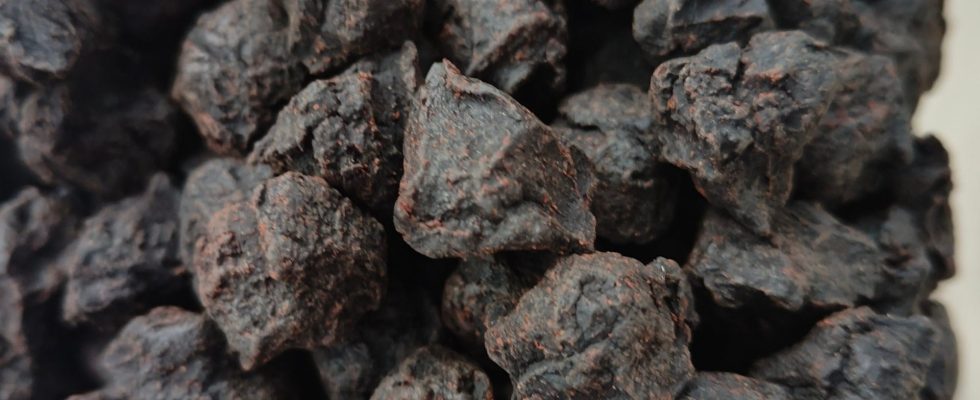
Looking to elevate your dishes with a burst of rich umami flavor? Enter ogiri okpei! This traditional Nigerian seasoning, made from fermented sesame seeds, adds depth and complexity to any recipe. Imagine your stews, soups, and sauces transformed by the pungent aroma and savory taste of ogiri okpei. Join us on a culinary journey as we explore the origins, uses, and versatility of this beloved ingredient. Dare to enhance your cooking with the irresistible allure of ogiri okpei.

Ogiri Okpei: The Secret Ingredient of Nigerian Cuisine
Welcome, curious foodies and adventurous taste explorers! Today, we are delving into the flavorful world of Nigerian cuisine with a closer look at a unique ingredient that adds depth and complexity to many traditional dishes – Ogiri Okpei.
What is Ogiri Okpei?
Ogiri Okpei is a traditional Nigerian condiment made from fermented oilseeds, usually African locust beans, and salt. This spicy, pungent seasoning is a staple in many Nigerian kitchens and plays a vital role in enhancing the taste of soups, stews, and sauces.
The Making of Ogiri Okpei
To create Ogiri Okpei, African locust beans are first fermented for several days to develop their distinct aroma and flavor profile. The fermented beans are then boiled, mashed, and mixed with salt before being left to ferment further. This fermentation process can take anywhere from a few days to a few weeks, depending on the desired intensity of flavor.
Once the fermentation is complete, the mixture is shaped into small balls or cakes and left to dry. The resulting Ogiri Okpei is crumbly and can be easily crumbled or dissolved into dishes to release its rich umami taste.
The Flavor Profile of Ogiri Okpei
Ogiri Okpei has a strong, earthy aroma with hints of nuttiness and tanginess. The taste is savory and slightly sour, adding depth and complexity to dishes. Its unique flavor profile sets it apart from other traditional seasonings and makes it a crucial ingredient in authentic Nigerian cuisine.
Uses of Ogiri Okpei in Nigerian Cuisine
Ogiri Okpei is a versatile ingredient that can be used in a wide range of Nigerian dishes. It is commonly added to soups like Egusi Soup, Oha Soup, and Ofe Owerri to enhance their flavor profiles and create a more authentic taste experience. The umami-rich qualities of Ogiri Okpei make it a favorite among Nigerian chefs and home cooks alike.
Additionally, Ogiri Okpei can be used as a flavor booster in stews, sauces, and rice dishes, adding a unique dimension to everyday meals. Its ability to deepen the overall flavor of a dish makes it a valuable asset in Nigerian culinary traditions.
Health Benefits of Ogiri Okpei
Aside from its culinary uses, Ogiri Okpei also offers some health benefits. African locust beans, the main ingredient in Ogiri Okpei, are rich in protein, fiber, and essential nutrients. The fermentation process further enhances the nutritional profile of the beans, making them more digestible and nutrient-dense.
Additionally, the probiotic nature of fermented foods like Ogiri Okpei may contribute to gut health by promoting a healthy balance of gut bacteria. This can help improve digestion and overall well-being when consumed as part of a balanced diet.
Where to Find Ogiri Okpei
If you are intrigued by the unique flavor of Ogiri Okpei and would like to try incorporating it into your own culinary creations, you may be wondering where to find this traditional Nigerian ingredient. Ogiri Okpei is commonly available in African specialty stores or markets that carry a wide range of African spices and seasonings.
Alternatively, you can try making your own Ogiri Okpei at home by following traditional recipes and techniques. Experimenting with different ingredients and fermentation times can help you customize the flavor of your homemade Ogiri Okpei to suit your taste preferences.
In Conclusion
Ogiri Okpei is more than just a condiment – it’s a symbol of Nigerian culinary heritage and a key ingredient in authentic Nigerian dishes. Its rich flavor, unique aroma, and health benefits make it a valuable addition to any kitchen looking to explore the diverse and vibrant world of African cuisine.
So, the next time you’re cooking up a Nigerian-inspired meal or looking to add a touch of exotic flair to your dishes, consider reaching for a jar of Ogiri Okpei and let its bold flavors transport you to the heart of Nigeria’s culinary traditions.
Enjoy the culinary journey, and may your taste buds be forever delighted by the magic of Ogiri Okpei!
What do you know about Ogiri Okpei? #seasonings #youtubeshortscommunity #shortsafrica #shorts #fyp
Frequently Asked Questions
What is ogiri okpei?
Ogiri okpei is a traditional Nigerian condiment made from fermented oil seeds such as melon seeds or castor seeds. It is commonly used in Nigerian cuisine to add a unique flavor to soups and stews.
How is ogiri okpei made?
To make ogiri okpei, oil seeds are fermented for several days, then ground into a paste and mixed with salt and sometimes spices. The mixture is then left to ferment further, allowing the flavors to develop and intensify.
What dishes are typically seasoned with ogiri okpei?
Ogiri okpei is often used to season traditional Nigerian soups and stews, such as egusi soup, bitterleaf soup, and okra soup. It adds a rich umami flavor and depth to these dishes.
Is ogiri okpei suitable for vegetarians?
Yes, ogiri okpei is typically suitable for vegetarians as it is made from fermented oil seeds and does not contain any animal products. However, it’s always best to double-check the ingredients used in the specific brand or homemade version.
Final Thoughts
In conclusion, ogiri okpei stands out as a traditional Nigerian condiment that adds a unique depth of flavor to dishes. Its distinctive aroma and taste make it a versatile ingredient in various cuisines. When used in moderation, ogiri okpei can elevate the overall dining experience for those who appreciate its rich umami profile. Embracing this flavorful ingredient can open up new culinary possibilities for home cooks and professional chefs alike.