
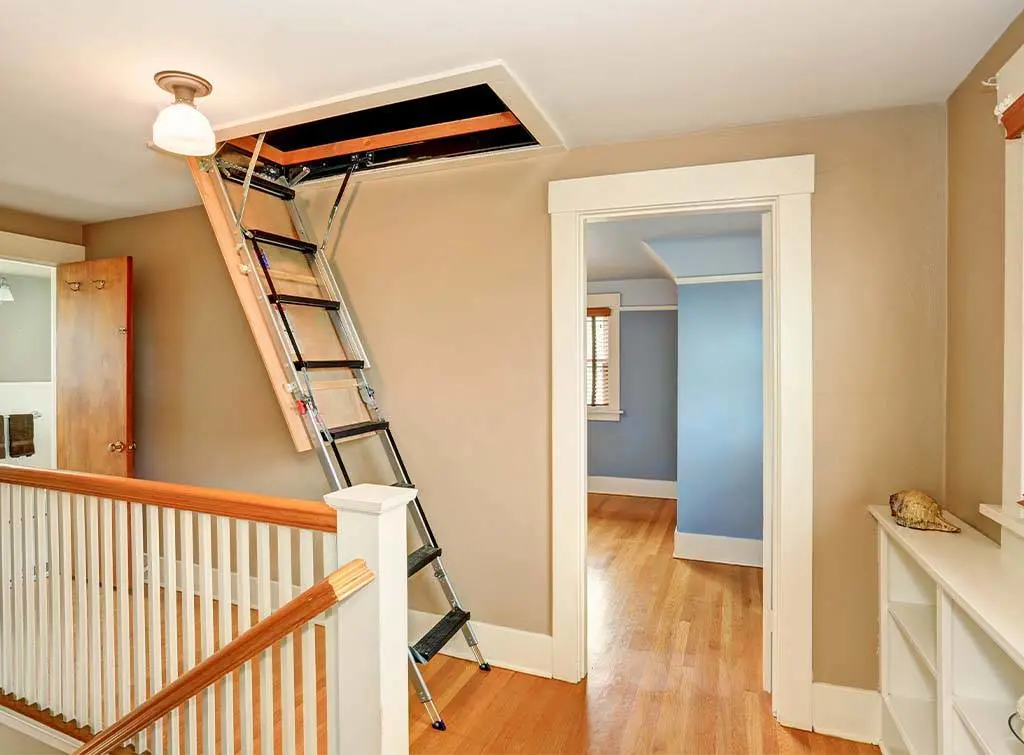
High ceilings present both architectural elegance and functional challenges for homeowners and interior designers. While they enhance natural light flow and spatial openness, accessing overhead storage areas requires safe and efficient solutions. Modern home improvement trends have increasingly focused on maximizing vertical space without compromising safety or aesthetics. In this context, the Loft Ladder has become an essential installation for properties with elevated ceiling heights, offering convenience, stability, and long-term durability. Whether used in residential lofts, attic conversions, or compact urban homes, it plays a crucial role in optimizing unused overhead areas while maintaining interior design harmony.
Top Trendings in Loft Access Solutions
In recent years, design innovation in loft access systems has evolved significantly. Lightweight aluminum frames, foldable mechanisms, and enhanced locking systems are among the most notable advancements. Homeowners are increasingly prioritizing space-saving designs that integrate seamlessly with modern interiors. Another growing trend is the shift toward energy-efficient materials that reduce heat loss between attic and living spaces. Safety enhancements, including anti-slip steps and reinforced handrails, are also gaining attention. Data from home renovation surveys indicates that nearly 62% of attic conversions now include upgraded access systems, reflecting growing awareness of safety and usability. These improvements demonstrate how functionality and style are being balanced in contemporary architectural planning.
Design and Material Innovations
Modern loft access systems are increasingly constructed using high-strength aluminum alloys and treated hardwood combinations. These materials provide a balance between durability and aesthetic appeal, allowing homeowners to match interior décor while ensuring structural reliability. Compact folding and sliding mechanisms are also becoming more refined, enabling smoother operation in tight spaces. Manufacturers are focusing on reducing installation complexity, making systems more accessible for standard residential projects. Additionally, corrosion-resistant coatings and weatherproof finishes have improved product lifespan, especially in humid environments. These innovations are shaping a new generation of loft solutions that emphasize both practicality and long-term value.
Safety Standards and User Comfort Trends
Safety remains a primary concern in elevated access systems, leading to stricter compliance standards and improved engineering practices. Anti-slip treads, reinforced joints, and ergonomic step spacing are now standard features in high-quality installations. User comfort is also being enhanced through smoother folding operations and lightweight balancing systems that reduce physical strain. Studies show that improved ladder ergonomics can reduce household accidents related to attic access by up to 35%. Manufacturers continue to integrate user feedback into design upgrades, ensuring that modern solutions meet both regulatory requirements and everyday usability expectations.
Statistical Insights in Home Renovation
The global home improvement market has shown steady growth, with attic conversions and vertical storage solutions gaining notable traction. Surveys indicate that nearly 48% of homeowners consider loft access upgrades during renovation projects. Demand is particularly strong in urban housing, where space optimization is essential. Statistical trends also reveal a 40% increase in DIY installation interest, although professional installation remains preferred for safety-critical systems. Furthermore, customer satisfaction ratings for modern loft access products consistently exceed 85%, reflecting improved design quality and usability. These figures highlight the increasing importance of efficient vertical space utilization in modern housing.
Frequently Observed Questions in Market Trends
Homeowners often ask about durability, installation time, and suitability for different ceiling heights. Most modern systems are designed to support varying load capacities while ensuring compact storage when not in use. Another common consideration is maintenance, which is generally minimal due to improved materials. Overall, market trends suggest a strong shift toward safer, more efficient, and visually integrated loft access solutions suitable for diverse residential environments.