
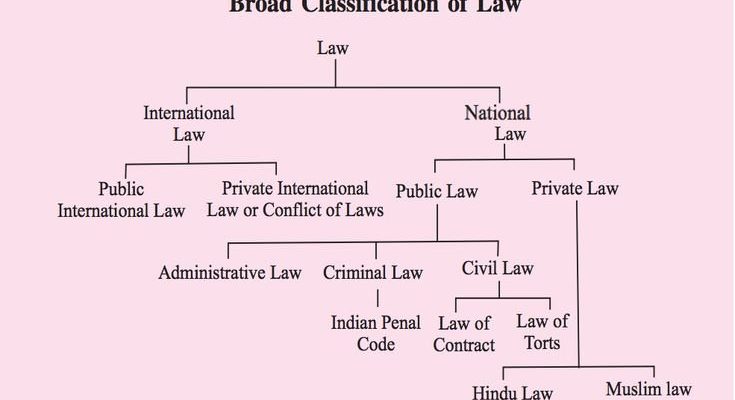
Law, the intricate web that governs our society, is a multifaceted entity with various branches and categories. Classification of law is the key to understanding its complexity. Tackling this subject is like peeling back the layers of a legal onion to reveal its inner workings. Whether you’re a legal enthusiast or simply curious about the structure of our legal system, delving into the classification of law is a fascinating journey that promises to enlighten and educate.

Understanding the Classification of Law
Welcome, young minds! Today, we are going to delve into the fascinating world of law and understand how it is classified. The law is like a set of rules that helps us live in harmony and resolve conflicts peacefully. Just like there are different subjects in school, law can also be divided into various categories based on their purpose and scope. Let’s explore the classification of law together!
The Basics of Law
Before we jump into the different types of law, let’s first understand what law is all about. Law is a system of rules created and enforced by a country or community to regulate behavior. These rules are important for maintaining order and ensuring that everyone is treated fairly. Without laws, there would be chaos!
Criminal Law
One of the most well-known types of law is criminal law. Criminal law deals with crimes – actions that are considered harmful to society. Crimes can include things like theft, assault, and murder. The purpose of criminal law is to punish those who break the rules and protect the public from harm. Think of criminal law as the superhero that keeps us safe from villains!
Civil Law
On the other hand, civil law focuses on resolving disputes between individuals or organizations. This type of law covers issues like contracts, property disputes, and family matters. Civil law aims to provide a fair solution to conflicts and ensure that everyone’s rights are respected. It’s like having a referee to help settle disagreements peacefully!
Classification of Law
Now that we have a basic understanding of the two main types of law, let’s explore how law is classified further. Law can be categorized in various ways based on different factors such as the subject matter, level of government, and source of authority.
Subject Matter Classification
One common way to classify law is by subject matter. This means that laws are grouped according to the area of life they regulate. Some common categories under this classification include:
- Family Law: Deals with matters such as marriage, divorce, and child custody.
- Property Law: Focuses on issues related to real estate and personal property.
- Employment Law: Governs the relationship between employers and employees.
- Environmental Law: Addresses concerns related to the protection of the environment.
Each of these categories has its own set of rules and regulations to ensure that everyone acts responsibly and fairly in that particular area of life.
Level of Government Classification
Another way to classify law is based on the level of government that creates and enforces it. Laws can be categorized as:
- Federal Law: Laws created by the national government that apply to the entire country.
- State Law: Laws created by individual states that apply within their borders.
- Local Law: Laws created by cities or counties that apply to specific local areas.
By having laws at different levels of government, we ensure that there is a balance of power and that each level can address issues specific to their jurisdiction.
Source of Authority Classification
Lastly, law can also be classified based on the source of authority from which it derives its power. Some common sources of authority include:
- Constitutional Law: Laws derived from the country’s constitution, which outlines the basic principles and structure of government.
- Statutory Law: Laws created by legislative bodies such as Congress or state assemblies.
- Common Law: Laws established through court decisions and legal precedents.
- International Law: Laws that govern relations between different countries.
Each of these sources of authority plays a crucial role in shaping the legal system and ensuring that laws are fair and just for everyone involved.
In Conclusion
As we come to the end of our exploration into the classification of law, I hope you now have a better understanding of how laws are categorized and why they are important. Remember, laws are like the guiding stars that help us navigate through life and ensure that we treat each other with respect and fairness. The next time you hear about a law, try to think about where it fits in the classification system we discussed today. Who knows, you might just become a legal expert in the making!
Until next time, keep exploring and learning about the wonderful world of law!
Classification of Law – Criminal vs Civil Law and Public vs Private Law
Frequently Asked Questions
What are the primary classifications of law?
The primary classifications of law include civil law, criminal law, administrative law, and constitutional law. Civil law deals with disputes between individuals or organizations, while criminal law focuses on offenses against the state. Administrative law governs the activities of administrative agencies, and constitutional law relates to the interpretation and application of a country’s constitution.
How does civil law differ from criminal law?
Civil law pertains to disputes between individuals or organizations, such as contract disputes or family matters, and aims to provide compensation or resolution to the parties involved. On the other hand, criminal law deals with offenses against the state, such as theft or murder, and aims to punish the offender through fines, imprisonment, or other penalties.
What is the role of administrative law in the legal system?
Administrative law governs the activities of administrative agencies and ensures they act within their authority and in compliance with laws and regulations. It also provides a framework for individuals and organizations to challenge administrative decisions through procedures like appeals or judicial review.
How does constitutional law protect individual rights?
Constitutional law serves as a foundation for a country’s legal system by defining the structure of government, outlining the distribution of power, and safeguarding fundamental rights of individuals. It sets limits on the government’s authority, ensures separation of powers, and allows for judicial review to protect citizens’ rights and liberties.
Final Thoughts
In conclusion, understanding the classification of law is crucial for navigating the legal landscape effectively. Categorizing laws based on their scope and application helps individuals comprehend their rights and obligations. By studying the classification of law, we can better grasp the various branches of the legal system. Stay informed about the different types of law to empower yourself in legal matters.